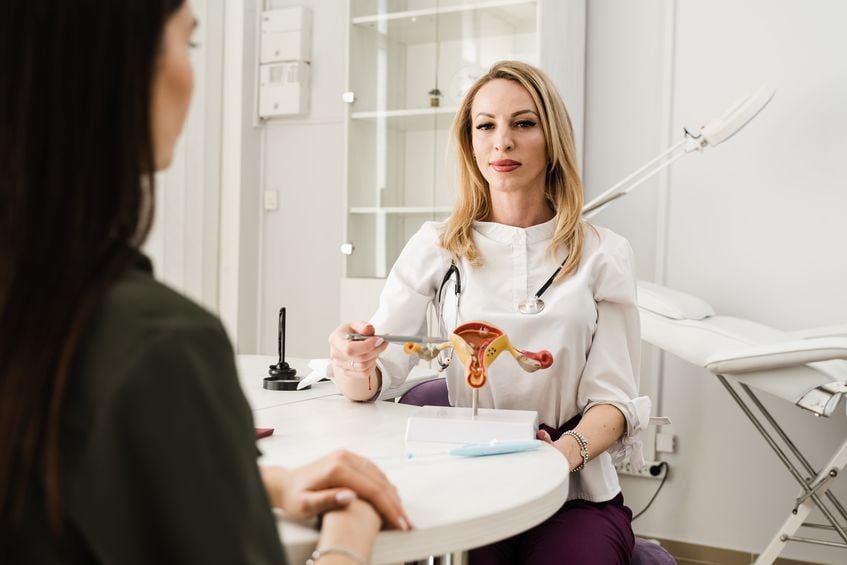
When IVF Becomes The Best Move
Fertility does not always follow a straight line. When egg supply drops lower than expected, the next steps can feel urgent and uncertain. Low ovarian reserve can complicate natural conception, but in vitro fertilization (IVF) offers new ways forward. Even with a limited number of eggs, IVF can lead to a healthy pregnancy. Knowing what to expect from IVF makes the road ahead feel more doable.

Why supply drops early
Low ovarian reserve means the ovaries hold fewer eggs than expected. This can make conception harder and may reduce how well the body responds to fertility treatment. Egg supply may start low or decline more quickly due to age, surgery, or certain health conditions. Regular cycles do not always reflect egg supply. Blood tests and ultrasounds help measure what is left and determine the next steps.
Making every cycle count
IVF helps when time is limited and egg supply is low. Fertility medications encourage the ovaries to release as many eggs as possible in a single cycle. Those eggs are collected, fertilized in a lab, and monitored for healthy embryo growth. Even with fewer eggs, IVF increases the chance of success by focusing on timing, tracking, and support throughout the process.
How to support the body
Egg quality matters as much as quantity. Some fertility clinics recommend supplements like CoQ10 or DHEA to support egg health. A prenatal vitamin with folate, antioxidants, and omega-3s may also help. A nutrient-rich diet, daily movement, and good sleep support hormone balance. Alcohol, tobacco, and chemical exposure can lower egg quality and should be avoided. Stress also plays a role, so building in rest, light activity, or calming routines can help prepare the body for IVF.
Getting the most per cycle
IVF plans for low reserve often use modified protocols. Some plans use mild stimulation to reduce stress on the ovaries. Others increase medication to try to capture every available egg. Some doctors recommend multiple cycles to collect and store embryos for future use. Regular monitoring helps track progress and fine-tune the approach. The goal is not just more eggs, but better chances from each egg.
Why timing matters
Ovarian reserve continues to decline over time. Acting early keeps more treatment options open and allows for stronger responses to medication. Egg freezing may be recommended when not ready to conceive but concerned about further decline. For individuals or couples trying now, a fertility workup should happen sooner rather than later. Delays can limit outcomes and raise emotional and financial stress.
More ways to grow a family
When IVF with personal eggs no longer works, other paths can still lead to parenthood. Donor eggs allow for pregnancy when egg supply or quality is too low. Donor embryos come from others who completed IVF and chose to donate unused embryos. Surrogacy becomes an option when carrying is not possible or safe. Adoption offers a different route with its own process and pace. Each option takes planning and support, but all can lead to a child.
Not the end of the road
Low reserve can make the process feel harder, but it does not mean the end of the road. IVF offers a way to work with what the body still has. With the right support, a clear plan, and some patience, pregnancy can still happen. Every stage brings its own set of choices, and each one deserves careful thought. The steps may look different than expected, but the goal stays the same.