Beyond Basic Semen Analysis
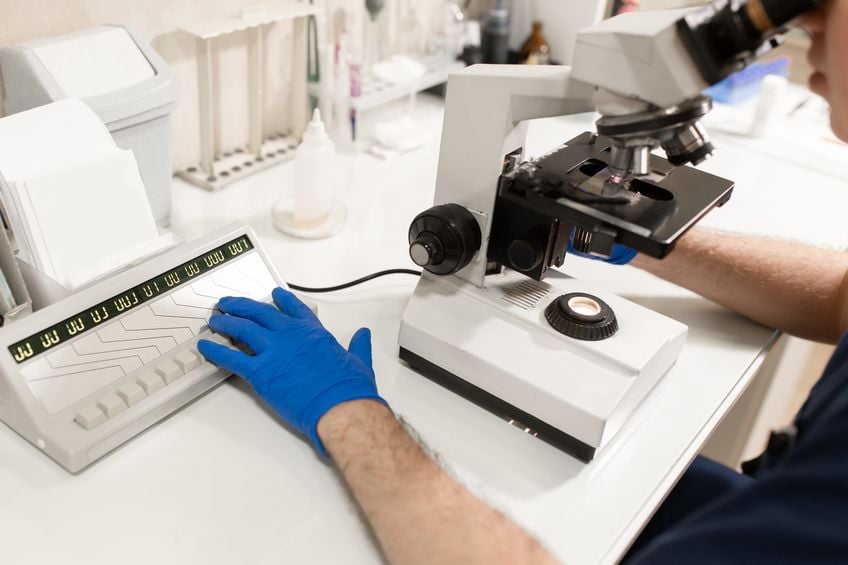
Male infertility can feel like a simple diagnosis and treatment. The standard fertility evaluation begins and often ends with an initial semen analysis. This test finds the foundational reasons behind male factor infertility. In many cases, the test only gives part of the puzzle. Another typical check involves lifestyle factors, assessing diet, exposure to toxins, and disease. Diagnosing and treating infertility means knowing all the potential factors and causes. A semen analysis alone does not guarantee success as some men can show optimal readings or unexplained infertility. A comprehensive assessment involves looking beyond the obvious so the best treatment plan and support can be provided.

A closer look at DNA
Some cases of male infertility can be genetic, which can be overlooked, especially if there are no initial signs of infertility. The genetic integrity of sperm cells is vital for conception. Even small signs of damage can lead to a lack of conception or repeated miscarriages. Studies show that high levels of deoxyribonucleic acid (DNA) fragmentation occur in 8% of men with otherwise normal semen parameters. Genetic material within sperm is prone to damage from external factors, oxidative stress, and other issues. Some men are born with slight genetic abnormalities that show up in some sperm cells. These issues can only be uncovered with specialized tests that look past routine analysis.
Silent reproductive tract infections
Infections are an often-overlooked factor in male infertility. Men can have subclinical infections that create enough inflammation or oxidative stress to damage sperm. While sperm count may be healthy and quality appears normal, these silent infections continue to disrupt fertility. Orchitis, bacterial inflammation of the testicles, prostatitis, and epididymitis are conditions that present subtle, sometimes undetectable symptoms at first. Over time, these conditions impact fertility. A semen culture test or other forms of specialized testing detect these hidden infections. Follow-up treatment with antibiotics can help finally solve the puzzle of male infertility.
Assessing your immune system
The immune system presents differently in everyone depending on health, environment, and other factors. Slight changes may not appear on the surface but can create barriers to fertility in men. The immune system can change after injury, surgery, or infection. The result can be the production of anti-sperm antibodies which destroy sperm or prevent fertilization. Immune system damage can also reduce motility and sperm morphology, common parameters in sperm health. Specialized testing can help detect these antibodies in sperm. Treating the root cause can help, for instance, with corticosteroids. Most men may need assisted reproductive technology (ART) assistance.
Metabolic influences
Specific diseases that impact metabolism can be related to infertility. Only through acknowledging and treating these issues can couples see improved results. Diabetes is known to impact sperm quality through increased oxidative stress and DNA damage. Obesity, present in 1 in 3 American men, disrupts optimal function, affects reproductive hormones, and is known to impair fertility. Other metabolic diseases and influences like sleep apnea, inflammatory bowel disease (IBD), or even heart disease can indirectly affect fertility. A comprehensive medical evaluation helps to find potential diseases, especially those undiagnosed. A treatment plan to address the disease and improve fertility can begin.
A comprehensive treatment plan
Fertility in men goes beyond semen analysis and lifestyle changes. Men can have additional issues that make up a comprehensive picture of infertility. Many of these issues are complex genetic traits, infections, immune system damage, or other health challenges. Taking the additional steps to uncover these traits can lead to more effective treatments. Men who need ART, such as intrauterine insemination (IUI), in vitro fertilization (IVF), and other techniques, can have more accurate results. There are now advanced tests, genetics, technologies, and strategies that give a detailed assessment of sperm health and movement. Start the conversation of unlocking these additional means to get a clear picture of infertility.