What Is Sperm DNA Doing?
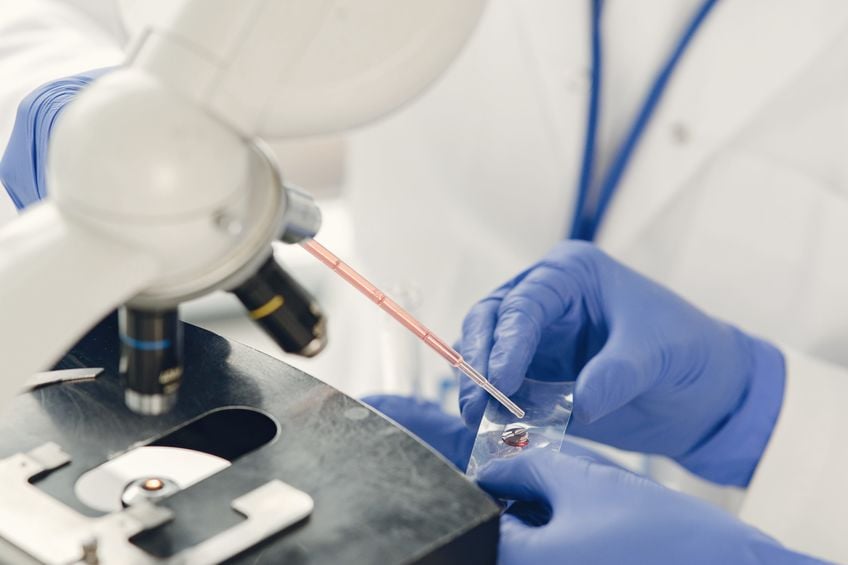
For male infertility, standard semen analysis examines sperm count, motility, and morphology. Yet, other factors impact reproductive health. Sperm deoxyribonucleic acid (DNA) fragmentation can be overlooked but has a powerful impact on pregnancy. This phenomenon refers to breaks or damage in the genetic material sperm carries. During sperm development, DNA should be tightly packaged and protected for delivery to the egg. External factors and lifestyle habits, however, can damage DNA strands. This creates fragments rather than intact genetic information. While sperm look healthy under a microscope, deeper genetic tests reveal severely damaged DNA.

Causes of DNA fragmentation
Oxidative stress, medical conditions, and lifestyle factors influence sperm DNA fragmentation. Oxidative stress from imbalances or inflammation is the leading cause, directly damaging sperm DNA. Common reasons include smoking, pollution, poor diet, alcohol excess, and chronic stress. Lack of exercise, drug use, obesity, and other unhealthy lifestyle factors damage sperm DNA. Environmental pollutants, including pesticides and plastics, damage DNA. Standard semen analysis cannot detect this DNA damage. Tests are needed to measure physical characteristics and movement, not genetic integrity. This explains why men with normal semen analysis results sometimes face unexplained infertility. The sperm reaches the egg successfully but carries damaged genetic instructions that prevent proper embryo development or cause early pregnancy loss.
Can it impact fertility?
High sperm DNA fragmentation creates multiple conception barriers. Damaged DNA may prevent fertilization altogether. Eggs can reject severely compromised sperm. Even if fertilization occurs, embryos with fragmented DNA often develop abnormally or lead to miscarriage. Some pregnancies progress, but with increased risks of genetic abnormalities or developmental problems. Studies show that men with sperm DNA fragmentation. Research shows that men with significant DNA fragmentation have poor embryo quality and lower conception rates. Other challenges include higher miscarriage risk and lower in vitro fertilization (IVF) success rates. Failure to acknowledge and treat DNA fragmentation can lead to ongoing infertility that feels unexplained.
Testing reveals hidden problems
Some tests measure sperm DNA fragmentation. A structure assay test analyzes percentages of sperm with damaged DNA. Results will show the DNA fragmentation index or the proportion of sperm with DNA breaks. Scores above 30% indicate significant problems likely affecting fertility. Testing is not for everyone, as most patients have successful IVF sessions without issue. The testing becomes particularly valuable for couples with unexplained infertility despite a normal semen analysis. Other reasons for testing include recurrent pregnancy loss, repeated IVF failures, or varicocele cases.
Reducing DNA fragmentation naturally
Many causes of DNA fragmentation can be addressed through lifestyle changes. Antioxidant supplementation with vitamins C and E, coenzyme Q10 (CoQ10), and selenium reduces oxidative stress and DNA damage. Studies show that stopping smoking dramatically improves DNA integrity in as little as 3-6 months. Reducing alcohol consumption, maintaining a healthy weight, managing stress, and avoiding excessive heat exposure all support DNA quality. Doctors also recommend treating underlying conditions. Varicocele repair, for instance, can reduce DNA fragmentation by improving testicular blood flow and reducing oxidative stress. Treating infections, controlling diabetes, and managing chronic health conditions all contribute to better sperm DNA quality. Consistent treatment should show a change in sperm health over time.
How ART helps
For severe DNA fragmentation unresponsive to treatment, assisted reproductive technology (ART) offers solutions. Intracytoplasmic sperm injection (ICSI) with testicular sperm extraction (TESE) uses sperm directly from the testicles. This bypasses structures exposed to oxidative stress. Selecting the freshest sperm for ICSI rather than using frozen samples may reduce fragmentation exposure. Using preimplantation genetic testing (PGT) helps find chromosomally abnormal embryos that may result from DNA fragmentation. These methods are essential for increasing the chances of pregnancy while bypassing possible DNA fragmentation.
Pregnancy is possible
Sperm DNA fragmentation represents a significant but often overlooked male fertility factor. Standard semen analysis misses this critical dimension, which explains many cases of unexplained infertility and recurrent pregnancy loss. For couples struggling despite normal basic testing, evaluating sperm DNA integrity can help. The test provides valuable diagnostic information guiding both natural conception optimization and assisted reproduction approaches. Understanding that sperm quality extends beyond count and motility helps couples to investigate and address this hidden barrier to family planning. Get a fertility specialist involved in the discussion about DNA fragmentation.