Is Egg Freezing Appropriate?
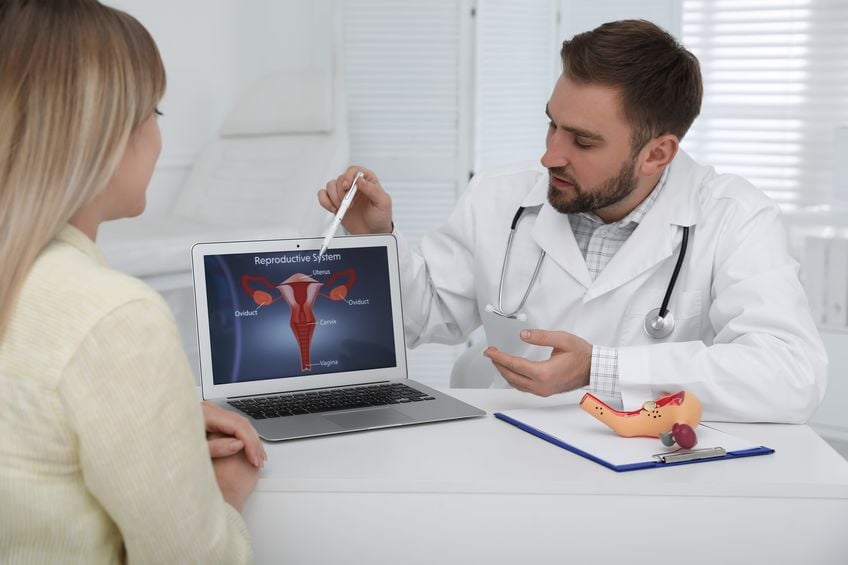
The chances of pregnancy decline with age. While peak female fertility occurs in the late teens or early 20s, most women are not ready for children until later in life. Egg freezing offers an opportunity to preserve fertility before age-related declines in egg quality and quantity occur. Many women choose egg freezing for personal, medical, or career reasons. Earlier retrieval generally results in more eggs with greater reproductive potential. A consultation with a fertility specialist is essential to make an individualized plan that maximizes the chances of a future family. Asking thoughtful questions before treatment can help women make informed decisions.

1. Am I a good candidate?
Age remains an important factor influencing egg freezing success. However, medical history, ovarian reserve, and reproductive history also contribute to treatment recommendations. Before the retrieval, a fertility specialist may recommend testing that includes an anti-Müllerian hormone (AMH) measurement and an ultrasound evaluation of the antral follicle count (AFC) to estimate ovarian reserve. AMH and AFC results help estimate ovarian response during the egg retrieval but cannot predict future pregnancy with certainty. Individualized evaluation ensures realistic expectations before starting the process.
2. How many eggs?
The number of eggs needed varies based on age at the time of egg retrieval and future family-building goals. Younger women often require fewer retrieved eggs since younger eggs are more likely to result in healthy embryos. Some women require a single egg retrieval to get a sufficient number of eggs. In other cases, especially if the patient is older, multiple retrievals may be required to obtain enough eggs for future use. A fertility specialist can estimate an appropriate target based on age, ovarian reserve testing, and overall reproductive goals.
3. What does treatment involve?
Egg freezing begins with the use of fertility medications to stimulate the ovaries to produce multiple eggs during a single cycle. Ultrasound examinations and blood tests monitor follicle development throughout treatment. Once eggs reach appropriate maturity, a brief outpatient egg retrieval procedure is performed under ultrasound guidance. Mature eggs are then frozen through a process called vitrification for potential future use. Most treatment cycles require approximately 2 weeks from the start of medications through egg retrieval. Having a thorough understanding of the entire process before starting can reduce stress and uncertainty.
4. What are my future chances?
Egg freezing preserves reproductive potential but cannot guarantee a future pregnancy. Success depends largely on age at the time of egg retrieval, the number of mature eggs frozen, sperm quality, embryo development, and overall reproductive health. Frozen eggs must later be thawed, fertilized through in vitro fertilization (IVF), and transferred to the uterus when the patient is ready for pregnancy. A fertility specialist can further explain expected success rates based on individual factors.
Looking toward the future
Egg freezing provides many women with additional reproductive options and greater flexibility for future family-building plans. Healthy lifestyle habits, routine preventive care, and early consultation all contribute to informed fertility decisions. Women who choose to undergo egg freezing should ask about candidacy, the number of eggs required, what to expect during treatment, and future chances of success. No question is off limits. Open communication with a fertility specialist can answer important questions before the retrieval is performed.