Are Your Ovaries Poor Responders?
Infertility, which was once an irreversible condition, can be addressed with in vitro fertilization (IVF) to achieve pregnancy. This does not mean, however, that the IVF journey is effortless. Poor ovarian response represents a frustrating IVF challenge. Women who experience this issue can feel emotionally overwhelmed as IVF takes time and effort. Poor ovarian response typically means developing fewer than 4 follicles during stimulation or retrieving fewer than 4 eggs. In some cases, the ovaries do not respond to hormone medication at all. A poor response sounds like a hopeless situation, but some options may maximize the number of eggs the ovaries produce.
Defining poor ovarian response
During IVF, the criteria for poor ovarian response require several factors. The patient must have advanced maternal age or have previously retrieved only 3 or fewer eggs. The fertility team must also confirm significantly low ovarian reserve markers. Women with previously diagnosed diminished ovarian reserve (DOR), premature ovarian insufficiency (POI), previous ovarian surgery, or endometriosis are other risk factors. A poor ovarian response does not mean IVF becomes impossible. Sometimes, the eggs retrieved are enough. This issue is that there may be questions about quality, or multiple cycles may be required to accumulate eggs for embryos. The right protocol can help maximize quantity and quality despite poor ovarian response.
High-dose antagonist protocol
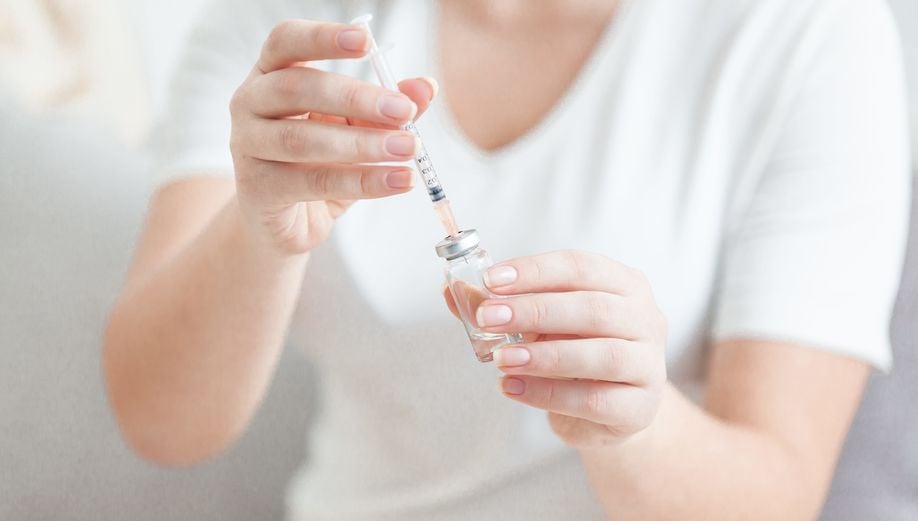
Once the fertility team confirms poor ovarian response, a common strategy is a high-dose antagonist protocol. The patient will take higher gonadotropin doses than in a standard IVF cycle in a healthier patient. High doses of follicle-stimulating hormone (FSH) are used, with luteinizing hormone (LH) added for additional stimulation. A gonadotropin-releasing hormone (GnRH) antagonist prevents premature ovulation. This strategy seeks to stimulate the ovaries while maintaining control of the cycle aggressively. This option allows the fertility team to be flexible, adjusting medications during the cycle based on response. There is still a chance, however, that the patient will not respond adequately even to maximum doses, leading to cycle cancellation or very low egg numbers.
Microdose flare protocol
The microdose flare protocol uses small doses of leuprolide acetate during stimulation. This may jumpstart an ovarian response, creating an initial FSH surge. This approach starts with oral contraceptives for cycle control. The team then begins microdosing on cycle day 2-3, adding high-dose gonadotropins simultaneously. The fertility team continues with this microdosing protocol during stimulation. The idea is that leuprolide acetate creates an initial surge before suppressing the ovarian response. Some poor responders achieve better results with microdose flare than standard antagonist protocols. Women with very low baseline FSH might benefit from the initial surge. However, this protocol requires precise timing and blood work, using more medications than conventional cycles. This can increase costs and the demand on patients and may not work as well as a high-dose antagonist protocol.
Keeping it natural
Some poor responders may achieve better outcomes with less medication rather than more. Natural cycle IVF retrieves a single egg developing without medication or minimal stimulation. The natural IVF option eliminates medication costs and side effects while selecting the best follicle, potentially the highest-quality egg. Minimal stimulation uses low gonadotropin doses to retrieve just 2-4 follicles. This option reduces medication burden and cost while still improving natural cycles. While egg numbers remain low, quality may be optimized. For women with extremely low ovarian reserve, minimal stimulation often produces similar egg numbers as high-dose protocols. Multiple retrievals are also less taxing on the body.
What else is available?
Beyond protocol selection, additional strategies may improve outcomes in poor responders, but more studies are needed. Dehydroepiandrosterone (DHEA) supplementation for 6-8 weeks before IVF improves ovarian response in some cases. Growth hormones added to stimulation protocols may improve egg quality and embryo development. Coenzyme Q10 (CoQ10) supplementation provides antioxidant support, which may benefit egg quality. Studies show acupuncture may help with poor ovarian response. These options are often combined with standard IVF protocols for poor ovarian response to improve outcomes.
Explore all options
Poor ovarian response can limit IVF success rates. The fertility team will help patients explore all possible options. Multiple retrieval cycles and embryo cryopreservation are options for accumulating embryos before attempting transfer. This approach accepts that each cycle yields only a limited number of eggs, but several cycles can create an adequate embryo pool. Fertility clinics can also use genetic testing to find the healthiest eggs and embryos. Selecting protocols for poor ovarian response requires balancing realistic expectations with optimized approaches. Work closely with a team that understands the challenges of poor ovarian response and can provide the best options for success.